


Filler Gallery
$$MultiPurposeText$$
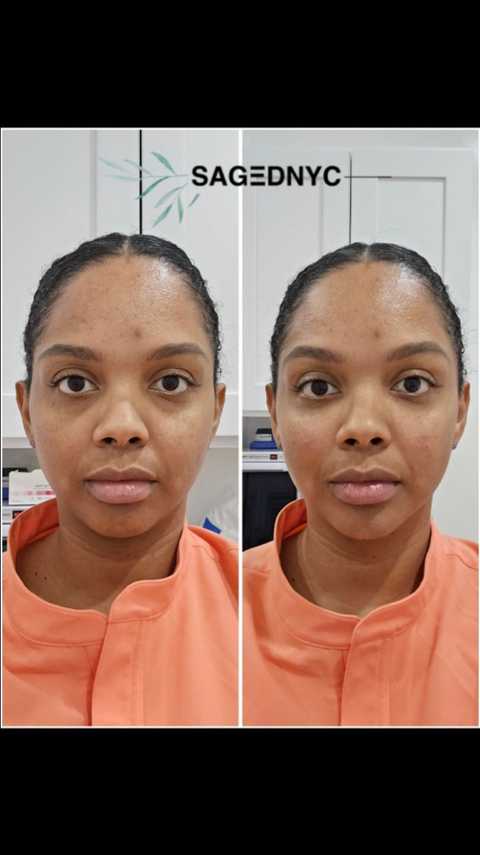
See examples of our Filler work and results.




What Our Clients Say
$$MultiPurposeText$$
Read testimonials from our satisfied customers

I can't recommend this place enough, honestly. Ariana (I'm old enough to call her by her f...more

...more
Frequently Asked Questions
Get answers to common questions about Filler.
Longevity depends on filler type and treatment area—most hyaluronic acid fillers last six to eighteen months. Cheek and jaw treatments often last longer; lips typically need touch-ups sooner. We recommend scheduled follow-ups to maintain optimal, natural-looking results.
Most clients experience only mild discomfort; topical numbing and cold application minimize pain. Expect light swelling, redness, or small bruises that usually resolve within days. Most people return to normal activities same day, avoiding strenuous exercise for 24–48 hours.
You’ll notice immediate improvement after injections, though initial swelling can mask final shape. Results settle over one to two weeks as filler integrates. Your provider schedules a follow-up to assess and touch up if needed for optimal symmetry.
Common side effects include temporary bruising, swelling, or tenderness. Rare but serious risks like vascular occlusion require prompt treatment; choose experienced injectors who follow safety protocols. We review medical history and contraindications during consultation to minimize complications.
Yes—Filler can be safely combined with Botox and skin treatments for comprehensive rejuvenation. Our providers create customized plans sequencing treatments to optimize results and recovery. Discuss goals during your consultation to establish the safest, most effective combination.
Good candidates are healthy adults seeking volume restoration, contour enhancement, or scar improvement with realistic expectations. Not recommended during pregnancy or certain autoimmune conditions. A thorough consultation reviews medical history, goals, and product options to determine suitability.
Read more about Filler
$$MultiPurposeText$$
Explore our latest insights and guides on Filler.

Injectables in University Heights: Types, Prices & What to Expect
Published On: July 13, 2026