

Steroid scalp injections Gallery
$$MultiPurposeText$$
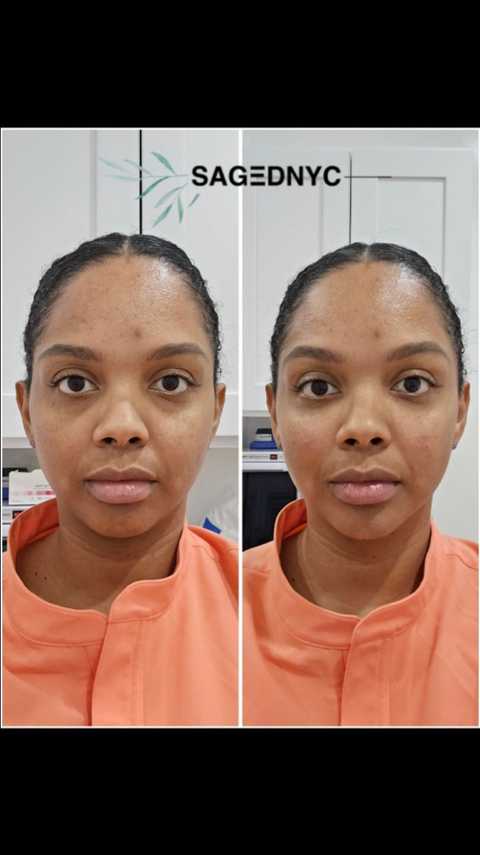
See examples of our Steroid scalp injections work and results.




What Our Clients Say
$$MultiPurposeText$$
Read testimonials from our satisfied customers

Book book BOOK! The results speak for itself. I had my treatments with Ariana, she is high...more

I came here all the way from Brooklyn and I don’t regret it at all! Ariana was so accommod...more

There are moments in life that quietly change the way you see yourself, and this procedure...more

Ariana is amazing. Professional, honest and she really listens to her clients and makes su...more

Ariana is a whole vibe. She played my favorite music while she worked miraculously on my f...more

Amazing place, they saved my life in many ways they, don't even know. The procedure is e...more

Frequently Asked Questions
Get answers to common questions about Steroid scalp injections.
They deliver corticosteroids directly into the scalp to reduce inflammation around hair follicles. By calming autoimmune or inflammatory responses that damage follicles, injections often allow regrowth in conditions like alopecia areata. Multiple sessions are usually required to see results.
Most patients feel brief discomfort during injections; topical numbing minimizes pain. Expect mild soreness, redness, or tiny scabs for a few days. There is minimal downtime—avoid strenuous activity and hair treatments for 24–48 hours, following your provider’s aftercare instructions.
Treatment frequency depends on diagnosis, severity, and response. Typically, sessions are scheduled every 4–6 weeks for several months. Some patients see improvement after a few treatments; others require ongoing maintenance. Your clinician will create a tailored plan and adjust intervals as needed.
Side effects are generally mild: temporary thinning, local skin lightening, soreness, or small depressions with repeated dosing. Systemic steroid effects are rare at local doses. Risks are minimized by proper technique and individualized dosing by an experienced provider.
Ideal candidates have localized inflammatory hair loss like alopecia areata or scalp conditions causing follicular inflammation. Candidates should be medically evaluated; active infections, uncontrolled diabetes, or certain medications may preclude treatment. A consultation will determine suitability and alternative options.
Some patients notice initial improvement within 4–8 weeks, but meaningful regrowth often requires multiple sessions over months. Response varies by condition and individual factors. Your provider will monitor progress and may combine therapies to accelerate and sustain results.
Read more about Steroid scalp injections
$$MultiPurposeText$$
Explore our latest insights and guides on Steroid scalp injections.

Hair Restoration in University Heights: Options, Costs & Clinics
Published On: July 10, 2026