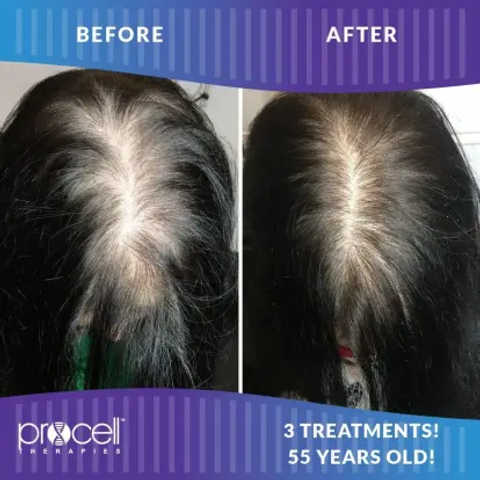
How Procell microchanneling works
Procell microchanneling creates precise microchannels in the skin surface, then delivers human growth factors directly into those freshly created channels. That combination is intended to stimulate the skin's natural regeneration processes. The treatment is used to address fine lines, scars, dark spots and uneven texture by supporting the skin’s own repair mechanisms rather than masking concerns.
Because the method places growth factors into microchannels, the procedure depends on controlled channel depth and the quality of the applied factors. Suitability, depth and treatment plan are determined during a consultation so we can align expectations, discuss risks, and set a realistic course based on each client's skin condition and goals.
What to expect during treatment
Your practitioner prepares the skin, then performs Procell microchanneling in a controlled manner while applying the human growth factor solution into the channels. The process is localized; technicians aim to treat targeted areas rather than the entire face when appropriate. This service is performed in our University Heights treatment rooms and the approach emphasizes precision and consistency.
Following the session, clients typically experience temporary redness and sensitivity as the skin begins its healing response. Aftercare guidance will include sun protection and gentle skincare. Because commuting patterns around Bronx and Metro-North access matter to many clients, we discuss scheduling and recovery expectations so busy students and commuters can plan around work, school or family commitments.
Factors shaping treatment results
Several variables influence how skin responds: the starting condition (lines, scars, pigmentation), the number of sessions, consistency of home care, and how well sun exposure is managed in New York’s seasonal climate. Results are gradual and depend on those combined factors rather than a single treatment, so a plan is tailored to the individual's needs and lifestyle.
Local context matters for planning: University Heights and nearby Fordham University create demand for flexible appointment times, and many clients prefer early, evening or weekend slots. Access from subway, Metro-North and I-87 makes short, well-timed visits attractive for commuters seeking efficient treatments that fit busy Bronx routines.