

Body Peel Gallery
$$MultiPurposeText$$
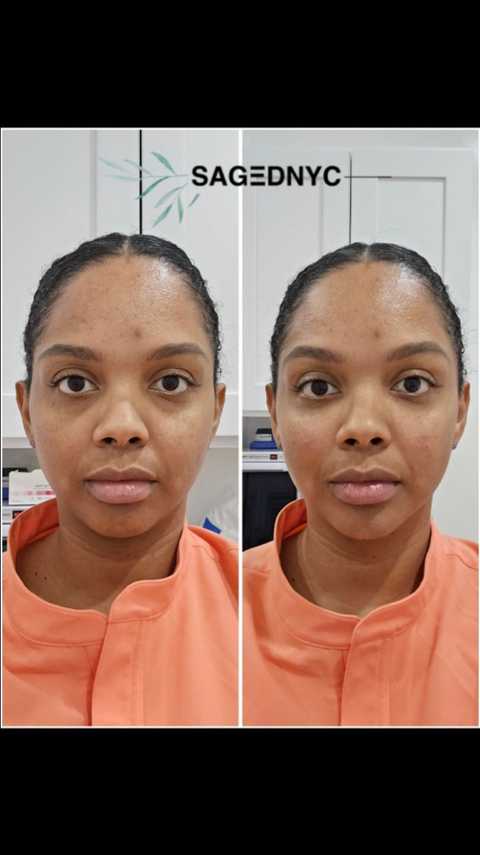
See examples of our Body Peel work and results.




What Our Clients Say
$$MultiPurposeText$$
Read testimonials from our satisfied customers

Book book BOOK! The results speak for itself. I had my treatments with Ariana, she is high...more

I came here all the way from Brooklyn and I don’t regret it at all! Ariana was so accommod...more

There are moments in life that quietly change the way you see yourself, and this procedure...more

Ariana is amazing. Professional, honest and she really listens to her clients and makes su...more

Ariana is a whole vibe. She played my favorite music while she worked miraculously on my f...more

Amazing place, they saved my life in many ways they, don't even know. The procedure is e...more

Frequently Asked Questions
Get answers to common questions about Body Peel.
Body Peels are ideal for larger zones such as the back, chest, arms, abdomen, thighs and buttocks. Treatments address hyperpigmentation, acne scarring, and stretch marks, with protocols tailored to skin type and the specific concern being treated.
Chemical exfoliation removes damaged outer skin while stimulating collagen and elastin production. This encourages remodeling of scar tissue and softens the appearance of stretch marks, resulting in improved texture and a more even-looking surface over a course of sessions.
Most clients experience redness, mild swelling, and peeling for several days to a week depending on peel strength. Downtime varies; lighter formulas have minimal recovery while deeper peels require more healing and aftercare, including sun avoidance.
Recommended treatments usually range from three to six sessions spaced several weeks apart. Your provider will customize frequency based on skin condition and goals; maintenance sessions may be advised to sustain improvements long-term.
Yes, many peel formulas are safe when selected and administered by experienced providers. We assess skin tone and history to minimize pigmentary risks, often recommending conservative strengths and pre/post-care to reduce hyperpigmentation.
Avoid sun exposure, tanning beds, and waxing for at least two weeks prior. Stop retinoids and certain active ingredients as directed by your clinician. Arrive with clean, makeup-free skin to ensure an even, safe treatment.
Read more about Body Peel
$$MultiPurposeText$$
Explore our latest insights and guides on Body Peel.

Chemical Peel Options in University Heights: Types, Costs & Aftercare
Published On: July 8, 2026